
You’ve caught someone’s attention. They’ve visited your website, explored your services and decided to get in touch. That’s a great start, but what happens next? Do they receive a friendly response that makes them feel welcome? Do they understand what happens next? Is it easy to book a meeting, receive a quote or take the next step? Or are they left wondering whether their enquiry was received, what the process involves and when they’ll hear from you?
We spend a lot of time thinking about how to attract clients to our businesses, but sometimes overlook what happens once they’ve made that first connection. Your client experience begins long before someone officially becomes a client. And the way you manage those early interactions can shape how people feel about working with you.
Your Client Enquiry Process is Part of Your Brand
Your brand is more than your logo, colours and website. It’s also the experience people have when interacting with your business. Every email, form, document and conversation contributes to that experience. Think about the last time you enquired about a service. Perhaps you received a prompt, friendly response with clear information about what would happen next. You knew what to expect, how long things might take and what was required from you. Chances are, you felt reassured.
Now imagine the opposite. You sent an enquiry and heard nothing for days. When a reply eventually arrived, it was vague, missing important information or left you with more questions than answers. Even if both businesses offered an equally good service, your confidence in them might be very different. A thoughtful client enquiry process helps communicate professionalism, care and reliability before any work has begun.
Does Your Client Feel Seen and Supported?
When someone makes an enquiry, they’re often sharing more than their contact details. They might be explaining a challenge they’re facing, a goal they’re working towards or something important they’re hoping to achieve. For an allied health practitioner, consultant or other service-based business, that first interaction can feel particularly personal. People want to know they’ve reached someone who understands what they’re looking for. This doesn’t mean every enquiry needs a lengthy, personalised response. But there are small ways to make the experience feel more human.
Acknowledge what they’ve shared. Use warm, approachable language. Answer their questions clearly. Explain what happens next rather than leaving them to work it out themselves. Even an automated confirmation email can feel thoughtful when it’s written with care. The goal is to help someone feel that their enquiry matters and that they’re in capable hands.
Is it Easy to Take the Next Step?
One of the biggest opportunities to improve your client experience is to remove unnecessary friction. If someone is ready to work with you, how easy is it for them to move forward? Do they know how to book an appointment? Can they find information about your services? Is your enquiry form straightforward? Do they understand what happens after accepting a proposal? Sometimes businesses unintentionally make people work harder than they need to.
Perhaps the website asks visitors to complete an unnecessarily long form before they can ask a simple question. Maybe the next step is buried in an email. Or perhaps clients receive several separate documents without clear instructions about what to do first. A well-considered client journey guides people through the process without overwhelming them. When people know what to expect, they’re more likely to feel comfortable taking that next step.
Have You Actually Mapped Out Your Client Journey?
This is something worth considering, especially if your business has grown and your processes have evolved along the way. You might have a system that works well in your head, but is it clear to someone experiencing it for the first time? Try mapping out every interaction a potential client has with your business, from their initial enquiry through to becoming a client.
For example:
- Enquiry: Someone completes your website form or sends an email. Do they receive confirmation that you’ve heard from them?
- Initial response: Do you acknowledge their needs and explain the next step?
- Discovery or consultation: Is it easy to book, and do they know what to expect?
- Proposal or service information: Is everything presented clearly, professionally and in a way that’s easy to understand?
- Acceptance and onboarding: Do they know what they need to sign, pay, complete or prepare?
- Getting started: Do they receive a warm welcome, useful information and a clear outline of what happens next?
Your process might look completely different depending on your business, and that’s fine. The important thing is to consider it from your client’s perspective. Where might they feel uncertain? Where are they being asked to make too many decisions? Where could a little more guidance make things easier? You might discover that one small improvement could make the entire experience feel more seamless.
Does Your Client Communication Look as Good as Your Business?
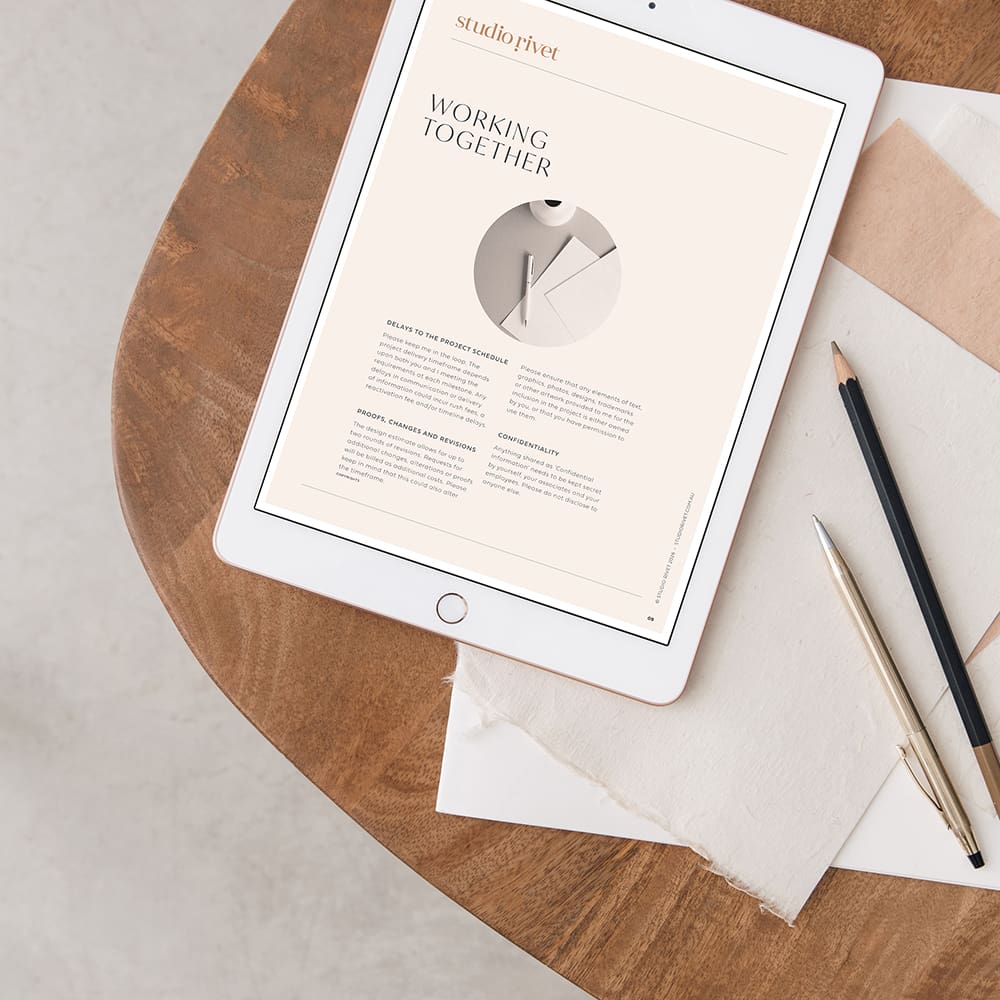
Here’s where thoughtful design comes into the picture. You might have a beautiful website and a professional visual identity, but what happens when someone receives your proposal, welcome document or first email? Does it feel like the same business? Your client-facing materials are an extension of your brand, and they deserve the same care as your website or marketing.
Consider your email signatures, enquiry responses, proposals, questionnaires, welcome guides, invoices and other documents. Are they easy to read? Is the information organised logically? Are your fonts, colours and visual elements consistent? Is the language friendly and clear? Good design presents information in a way that feels considered, professional and easy to understand, rather than just looking decorative.
A well-designed proposal can help someone understand exactly what they’re investing in. A thoughtful welcome guide can answer questions before they arise. A clear questionnaire can make an otherwise overwhelming task feel manageable. The best design not only looks good, but makes the experience easier.
A Thoughtful Process Benefits You Too
A well-organised client onboarding process is to impress your clients, but it can also make running your business easier. When your processes are clear, you’re less likely to find yourself repeatedly answering the same questions, searching for documents or remembering to send the next email.
Templates, automated responses, booking links and consistent branded documents can take care of the repetitive parts of your process while still allowing room for personal connection. This is particularly valuable for small business owners who are managing everything themselves. Having a clear process doesn’t mean your service becomes impersonal. In fact, it can free up more time and energy for the interactions that genuinely benefit from your attention.
A Few Questions Worth Asking
Before you move on to the next marketing campaign or website update, take a moment to consider the experience you’re already providing.
- If I enquired about my own business today, would I know what happens next?
- Does my first response make someone feel welcome and understood?
- Is my process clearly explained, or am I assuming people already know how it works?
- Are my proposals, forms and welcome documents easy to navigate?
- Do my client communications look and feel consistent with my brand?
- Am I making it easy for someone to say yes?
- Could a clearer process save me time as well as improve my client’s experience?
You don’t necessarily need a complicated system or expensive software, but a thoughtful email template or beautifully organised welcome document will make a big difference.
The Experience is Part of What People Remember
People might initially discover your business because of your website, your reputation or a recommendation. But the experience that follows will help them decide whether they feel comfortable working with you. They remember whether communication was easy, whether they felt listened to and whether the process was clear. These little interactions build an overall impression of your business. And when they’re considered, they help reinforce the quality of the service you provide.
Make Every Client Touchpoint Count
At Studio Rivet, I believe thoughtful design should make running your business easier, not more complicated. From professional proposals and welcome guides to branded templates and practical marketing collateral, I can help create materials that feel consistent with your brand and make communicating with your clients a little simpler.
If your business has evolved and your client-facing materials haven’t quite kept up, I can help bring everything together.


View comments
+ Leave a comment