
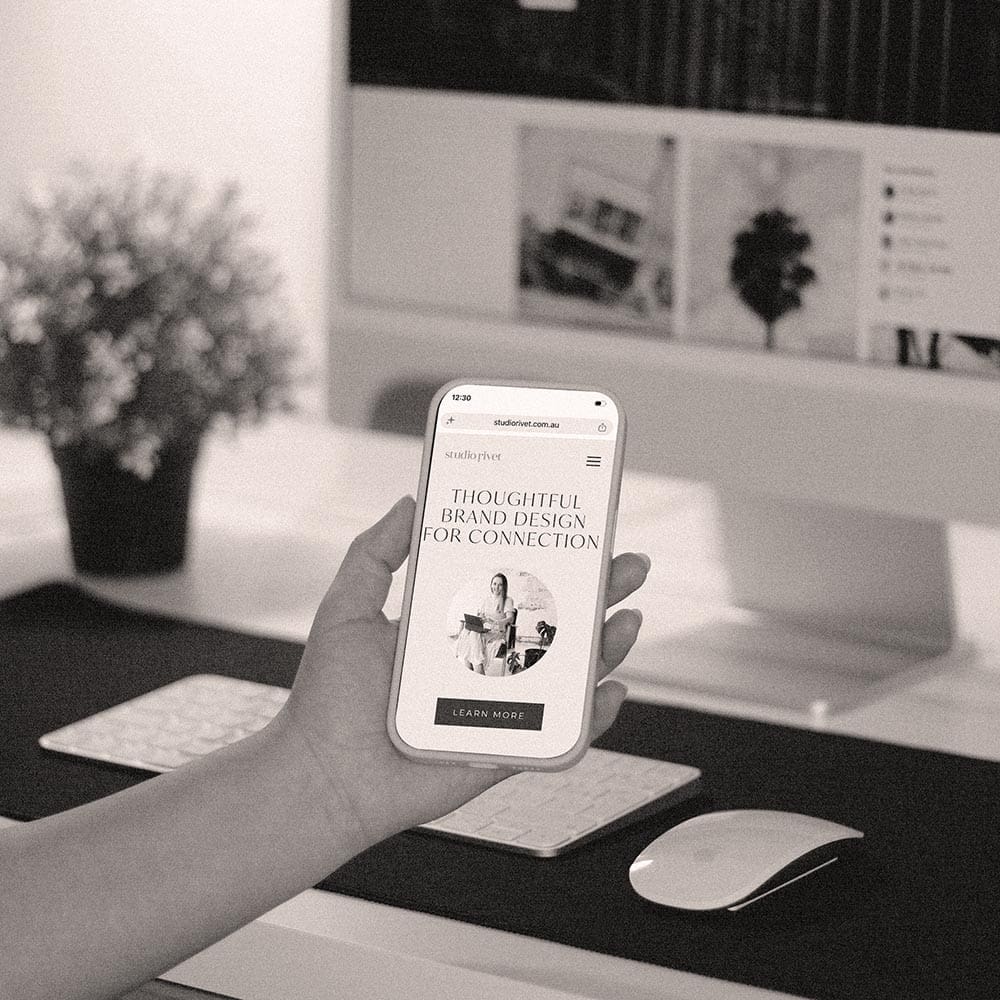
When someone lands on your website, they’re usually looking for a few simple things: what you do, whether they can trust you, and how to take the next step. If they can’t find those answers quickly, they’re likely to leave. The good news is that improving website navigation doesn’t necessarily require a complete redesign. Often, a few thoughtful adjustments can make a significant difference to the user experience. Here are three simple ways to make your website easier to navigate.
1. Prioritise clarity over creativity
One of the biggest mistakes I see on websites is trying to be too clever. Creative menu names, vague headings and overly complex messaging might sound interesting, but they often make visitors work harder than they need to. Your website should help people find information quickly, not make them guess where it might be hiding.
Simple navigation labels such as Services, About and Contact tend to perform better because they’re familiar and intuitive. The same applies to your website copy. Visitors should be able to immediately understand what you do, who you help and how they can work with you.
If someone lands on your website for the first time, ask yourself: could they find the information they need within a few seconds? If not, simplifying your navigation and messaging is one of the fastest improvements you can make.
2. Create clear visual direction
Good navigation is not only about menus, but also how information is presented on the page. Visitors naturally scan websites rather than reading every word. That’s why layout, spacing and hierarchy play such an important role in helping people move through your content. Clear headings, generous white space and consistent button styles help guide visitors from one section to the next. Important information should stand out rather than compete for attention.
Contrast also matters. If buttons blend into the background or text is difficult to read, people are more likely to miss key information. Strong visual hierarchy helps visitors understand what matters most and where they should focus their attention. A well-structured website feels calm, organised and effortless to navigate.
3. Remove friction from the next step
Every page on your website should answer one important question: what should the visitor do next. Whether that’s booking an appointment, making an enquiry, downloading a resource or subscribing to your email list, the next step should always feel obvious. Clear calls to action throughout your website help guide visitors towards action without forcing them to search for contact details or scroll endlessly for information. Consistent buttons, working forms and mobile-friendly design all contribute to a smoother experience.
It’s also worth regularly checking your website on different devices. A website that works beautifully on desktop can sometimes create frustration on mobile if forms don’t function correctly, buttons are difficult to tap or content becomes difficult to read. The easier you make it for people to take action, the more likely they are to do so.
Small changes can have a big impact
You don’t need a complicated website to create a great user experience. Effective websites make information easy to find, guide visitors naturally through the content and remove unnecessary barriers to action. If you’re looking for a place to start, focus on these three areas: clarity, visual direction and reducing friction. Together, they can transform a website from confusing and overwhelming into something that feels intuitive, professional and easy to use.
Need a fresh set of eyes on your website?
Sometimes you’re simply too close to your own website to spot what’s working and what’s creating friction for visitors. If you’re wondering whether your website is clearly communicating your services, building trust and guiding people towards the next step, I’d love to help.
Download my Website Health Check Scorecard – a simple self-assessment designed to help you identify quick wins and uncover opportunities to improve your website’s performance. Whether you’re planning a website refresh or simply looking for small improvements, it’s a great place to start. Or if you’d like to chat further, make an enquiry or book a free call to see how else we can work together.


View comments
+ Leave a comment